



Perfect for Boats, RV's
& Off-Grid Living

Call Us
RV composting toilet

Why Choosing An Active Composting Toilet Is So Important

Let’s admit it: when it comes to managing toilets, not all solutions are created equal. Understanding the differences between various types of eco-friendly toilets can drastically influence your decision-making process and satisfaction with the product. As environmental concerns grow, the shift towards sustainable living practices becomes more pertinent. Among the many eco-friendly options for home and outdoor use, composting toilets offer a significant benefit, especially when it comes to water conservation and reducing environmental impacts.

However, not all “composting toilets” on the market offer the same level of efficiency or comfort, or, even actively compost. In this article, we’ll explore the distinct advantages of active composting toilets, like the Air Head Composting Toilet, and compare these to more basic waste-separating models.

Composting Toilets on RVs

Understanding Composting Toilets

Composting toilets are an eco-friendly and often times, more convenient alternative to traditional toilets, designed to treat waste through natural processes of decomposition and evaporation. The fundamental purpose of these toilets is to turn waste into compost that can be used to enrich soil.

They significantly reduce the use of water in home waste management and produce a useful end product — compost. This makes them an excellent choice for locations without reliable water supply, septic systems, or for those looking to reduce their ecological footprint, like off-grid homes, RVs, and Boats.

Understanding how a composting toilet works is key to ensuring it operates efficiently. For optimal performance, the toilet must create an environment conducive for aerobic bacteria to effectively decompose waste. This environment must have the right moisture level, temperature, and carbon-nitrogen balance.  Inadequate conditions can lead to unwelcome outcomes during maintenance checks or disposal.

The success of composting toilets hinges on their ability to properly manage moisture, oxygen, and organic material to facilitate aerobic decomposition.

aerobic decomposition | active composting toilet

Active Composting Toilets vs. Basic Separating Models

The market offers two main types of “composting toilets”: active composting toilets and basic separating toilets. While both types aim to manage waste sustainably, their mechanisms and efficiency levels differ significantly.

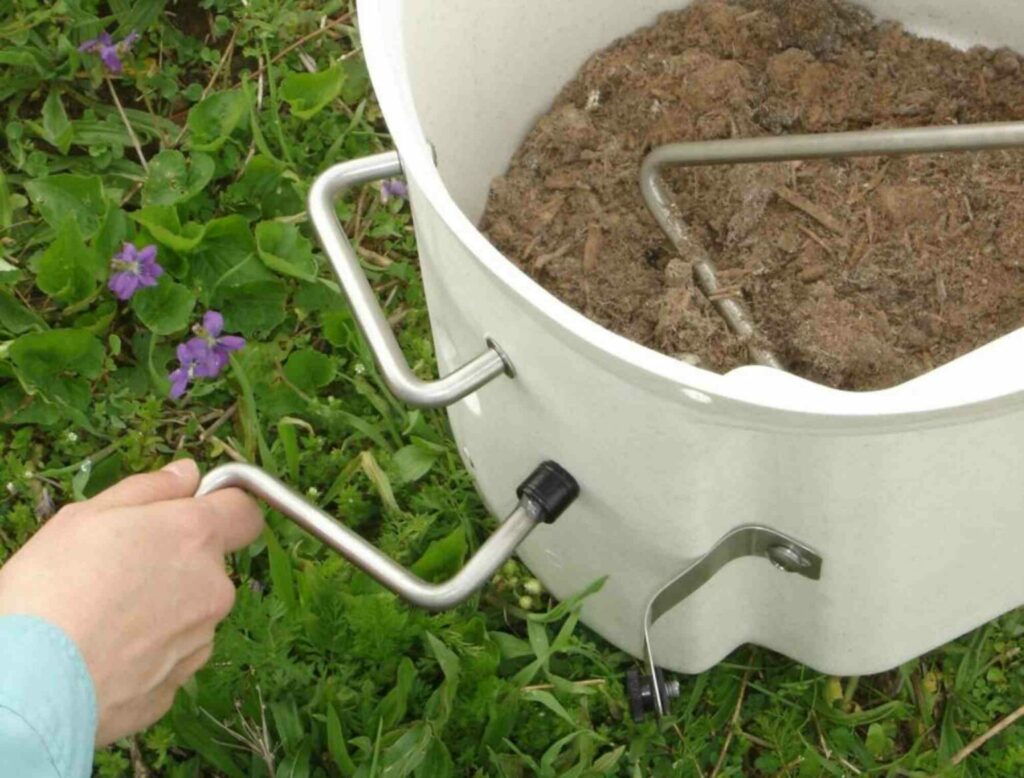
Active Composting Toilets: These systems, like the Air Head Composting Toilet, are equipped with built-in agitators to turn and aerate the waste, promoting faster decomposition. They also feature robust ventilation systems that help reduce moisture and control odors more effectively.

Basic Separating Toilets: These models focus primarily on separating liquid waste from solid waste, so are not really composting toilets. Separation is crucial for reducing odor and making the composting process more manageable, but these systems lack the mechanisms to actively compost the waste on-site.

The Superiority of Active Composting Toilets

Active composting toilets are a step ahead in the composting game. They are equipped with mechanisms that significantly speed up the composting process:

Built-in Agitators: These devices stir the waste together with bulking agents such as Coco Peat Bricks. This mixing process is essential as it enhances aeration within the compost, promoting faster and more efficient aerobic decomposition.

Ventilation Systems: Effective ventilation is crucial for removing excess moisture and controlling odors. These systems not only expedite the drying process but also prevent the development of anaerobic conditions that could lead to unpleasant smells.

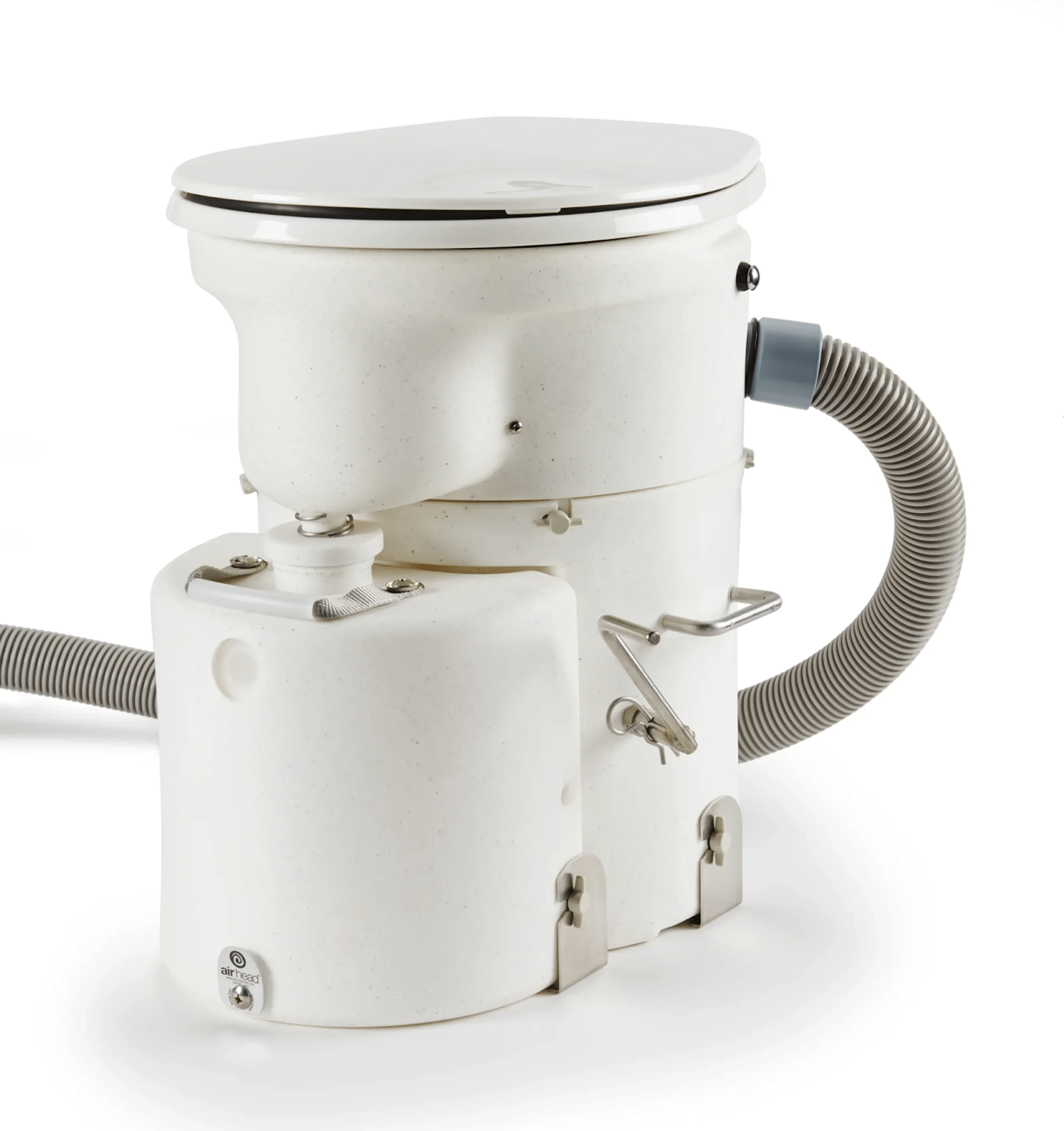
An excellent example of this is the Air Head Composting Toilet, which integrates both an agitator and a robust ventilation system to ensure that the composting process is both efficient and odor-free.

Limitations of Basic Separating Toilets

Contrastingly, basic separating toilets, which primarily focus on dividing liquid waste from solid, do not facilitate the composting process anywhere near as well, if even. While separation helps in keeping the composting pile dry and can somewhat manage odors, it does little to expedite the composting process. These models are usually cheaper, require more manual intervention and a longer duration to transform waste into compost, making them less efficient than their active counterparts.

Why Choose Active Composting Technology?

While basic separating toilets offer a step towards eco-friendly waste management, active composting toilets like the Air Head provide a comprehensive solution. Here’s why you might consider opting for an advanced system:

  • Faster Decomposition: Active composting toilets reduce the time needed to break down waste into compost thanks to their mechanical agitation and enhanced aeration. This translates to less maintenance and a quicker turnover to usable compost.
  • Superior Technology: The inclusion of agitators and enhanced ventilation makes these systems more effective at managing waste.
  • Superior Odor Control: These toilets are designed to tackle odor control actively, using ventilation systems that expel bad smells and introduce fresh air, facilitating an environment.
  • Better Waste Treatment: Active systems treat waste on-site, reducing the need for frequent emptying and handling.
  • Long-term Sustainability: These systems are designed to last longer and offer better performance, aligning with a sustainable lifestyle.
  • Eco-Friendly and Efficient: Reducing water usage and producing valuable compost make active composting toilets highly sustainable. They are particularly suitable for areas without a reliable water supply or septic systems, or for those keen on minimizing their ecological footprint.

a couplein their van on stealth camping

The Air Head Composting Toilet: A Market Leader

Air Head Toilets stand out due to their superior design and functionality:

Robust Agitator Design:

It features a powerful agitating system that ensures consistent composting, minimizing the need for manual mixing.

Customized Ventilation:

The specialized ventilation system maintains an optimal airflow, crucial for an odor-free and accelerated composting process.

Making the Right Choice

When selecting a composting toilet, consider the installation requirements, the capacity needed based on usage, and the maintenance involved. Active composting toilets, while potentially more costly upfront, offer significant long-term benefits in terms of maintenance and operational efficiency.

Air Head Classic

Air Head Classic

The Original Air Head – Setting The Composting Standard Since 2001.

Air Head Tejo

All-New Air Head Tejo

The All New Tejo has finally unlocked household levels of comfort and design to the composting toilet market. Your off-grid experience just got a whole lot better.


Discover a smarter way to maintain hygiene on your adventures with Airhead Composting Toilets! Engineered for superior comfort and eco-friendly efficiency, our composting toilets transform your personal care routine into a seamless, odor-free experience. Perfect for yachts, RVs, and off-grid homes, these toilets are designed to reduce water usage and waste. If you need help in choosing the right model for you, you can Compare Air Heads.

Choose the Best for Off-Grid Living

Selecting the right composting toilet means understanding the technological differences and functionalities that distinguish advanced models like the Air Head from basic separators. Opting for a system equipped with both an agitator and a ventilation system allows you to embrace the eco-friendly benefits of composting toilets without compromising on efficiency or hygiene.

Ready to make the switch? Explore our range of Air Head Composting Toilets today and take a step towards a cleaner, greener future!

Find Your Perfect Air Head

RV composting toilet

Why Choosing An Active Composting Toilet Is So Important

Let’s admit it: when it comes to managing toilets, not all solutions are created equal. Understanding the differences between various types of eco-friendly toilets can drastically influence your decision-making process and satisfaction with the product. As environmental concerns grow, the shift towards sustainable living practices becomes more pertinent. Among the many eco-friendly options for home and outdoor use, composting toilets offer a significant benefit, especially when it comes to water conservation and reducing environmental impacts.

However, not all “composting toilets” on the market offer the same level of efficiency or comfort, or, even actively compost. In this article, we’ll explore the distinct advantages of active composting toilets, like the Air Head Composting Toilet, and compare these to more basic waste-separating models.

Composting Toilets on RVs

Understanding Composting Toilets

Composting toilets are an eco-friendly and often times, more convenient alternative to traditional toilets, designed to treat waste through natural processes of decomposition and evaporation. The fundamental purpose of these toilets is to turn waste into compost that can be used to enrich soil.

They significantly reduce the use of water in home waste management and produce a useful end product — compost. This makes them an excellent choice for locations without reliable water supply, septic systems, or for those looking to reduce their ecological footprint, like off-grid homes, RVs, and Boats.

Understanding how a composting toilet works is key to ensuring it operates efficiently. For optimal performance, the toilet must create an environment conducive for aerobic bacteria to effectively decompose waste. This environment must have the right moisture level, temperature, and carbon-nitrogen balance.  Inadequate conditions can lead to unwelcome outcomes during maintenance checks or disposal.

The success of composting toilets hinges on their ability to properly manage moisture, oxygen, and organic material to facilitate aerobic decomposition.

aerobic decomposition | active composting toilet

Active Composting Toilets vs. Basic Separating Models

The market offers two main types of “composting toilets”: active composting toilets and basic separating toilets. While both types aim to manage waste sustainably, their mechanisms and efficiency levels differ significantly.

Active Composting Toilets: These systems, like the Air Head Composting Toilet, are equipped with built-in agitators to turn and aerate the waste, promoting faster decomposition. They also feature robust ventilation systems that help reduce moisture and control odors more effectively.

Basic Separating Toilets: These models focus primarily on separating liquid waste from solid waste, so are not really composting toilets. Separation is crucial for reducing odor and making the composting process more manageable, but these systems lack the mechanisms to actively compost the waste on-site.

The Superiority of Active Composting Toilets

Active composting toilets are a step ahead in the composting game. They are equipped with mechanisms that significantly speed up the composting process:

Built-in Agitators: These devices stir the waste together with bulking agents such as Coco Peat Bricks. This mixing process is essential as it enhances aeration within the compost, promoting faster and more efficient aerobic decomposition.

Ventilation Systems: Effective ventilation is crucial for removing excess moisture and controlling odors. These systems not only expedite the drying process but also prevent the development of anaerobic conditions that could lead to unpleasant smells.

An excellent example of this is the Air Head Composting Toilet, which integrates both an agitator and a robust ventilation system to ensure that the composting process is both efficient and odor-free.

Limitations of Basic Separating Toilets

Contrastingly, basic separating toilets, which primarily focus on dividing liquid waste from solid, do not facilitate the composting process anywhere near as well, if even. While separation helps in keeping the composting pile dry and can somewhat manage odors, it does little to expedite the composting process. These models are usually cheaper, require more manual intervention and a longer duration to transform waste into compost, making them less efficient than their active counterparts.

Why Choose Active Composting Technology?

While basic separating toilets offer a step towards eco-friendly waste management, active composting toilets like the Air Head provide a comprehensive solution. Here’s why you might consider opting for an advanced system:

  • Faster Decomposition: Active composting toilets reduce the time needed to break down waste into compost thanks to their mechanical agitation and enhanced aeration. This translates to less maintenance and a quicker turnover to usable compost.
  • Superior Technology: The inclusion of agitators and enhanced ventilation makes these systems more effective at managing waste.
  • Superior Odor Control: These toilets are designed to tackle odor control actively, using ventilation systems that expel bad smells and introduce fresh air, facilitating an environment.
  • Better Waste Treatment: Active systems treat waste on-site, reducing the need for frequent emptying and handling.
  • Long-term Sustainability: These systems are designed to last longer and offer better performance, aligning with a sustainable lifestyle.
  • Eco-Friendly and Efficient: Reducing water usage and producing valuable compost make active composting toilets highly sustainable. They are particularly suitable for areas without a reliable water supply or septic systems, or for those keen on minimizing their ecological footprint.

a couplein their van on stealth camping

The Air Head Composting Toilet: A Market Leader

Air Head Toilets stand out due to their superior design and functionality:

Robust Agitator Design:

It features a powerful agitating system that ensures consistent composting, minimizing the need for manual mixing.

Customized Ventilation:

The specialized ventilation system maintains an optimal airflow, crucial for an odor-free and accelerated composting process.

Making the Right Choice

When selecting a composting toilet, consider the installation requirements, the capacity needed based on usage, and the maintenance involved. Active composting toilets, while potentially more costly upfront, offer significant long-term benefits in terms of maintenance and operational efficiency.

Air Head Classic

Air Head Classic

The Original Air Head – Setting The Composting Standard Since 2001.

Air Head Tejo

All-New Air Head Tejo

The All New Tejo has finally unlocked household levels of comfort and design to the composting toilet market. Your off-grid experience just got a whole lot better.
Discover a smarter way to maintain hygiene on your adventures with Airhead Composting Toilets! Engineered for superior comfort and eco-friendly efficiency, our composting toilets transform your personal care routine into a seamless, odor-free experience. Perfect for yachts, RVs, and off-grid homes, these toilets are designed to reduce water usage and waste. If you need help in choosing the right model for you, you can Compare Air Heads.

Choose the Best for Off-Grid Living

Selecting the right composting toilet means understanding the technological differences and functionalities that distinguish advanced models like the Air Head from basic separators. Opting for a system equipped with both an agitator and a ventilation system allows you to embrace the eco-friendly benefits of composting toilets without compromising on efficiency or hygiene.

Ready to make the switch? Explore our range of Air Head Composting Toilets today and take a step towards a cleaner, greener future!

Find Your Perfect Air Head

Air Head Composting Toilet | Product Review | Eco-Friendly & Compact Composting Toilet For RVs, Boats, and Off-Grid Homes
Road Gear Reviews
Road Gear