Boat Composting Toilet – A Complete Guide for Boat Owners
Choosing the right boat composting toilet is no longer a fringe decision. For many boat owners, liveaboards, and even marinas, it has become the most practical way to deal with onboard sanitation without the complexity, smells, and ongoing maintenance of traditional marine systems.
This guide explains how a composting toilet for a boat works, how it compares to conventional marine toilets, and what really matters when choosing the best composting toilet for boats. If you are actively weighing up your options, this article is designed to help you make a confident, informed decision
Why More Boat Owners Are Switching to Composting Toilets
Traditional marine toilets have barely changed in decades. They rely on water, hoses, seacocks, pumps, holding tanks, and pump-out infrastructure. When everything works perfectly, they are tolerable. When something goes wrong, it usually goes very wrong.
A marine composting toilet removes much of that complexity. No flushing water. No holding tank. No macerators. No waiting for pump-out availability. For many owners, the appeal is simple: fewer systems to maintain and fewer opportunities for unpleasant surprises.
Composting toilets are particularly attractive for:
Liveaboards
Cruising sailboats and catamarans
Boats used away from marinas
Owners who want simplicity and reliability
What Is a Boat Composting Toilet?
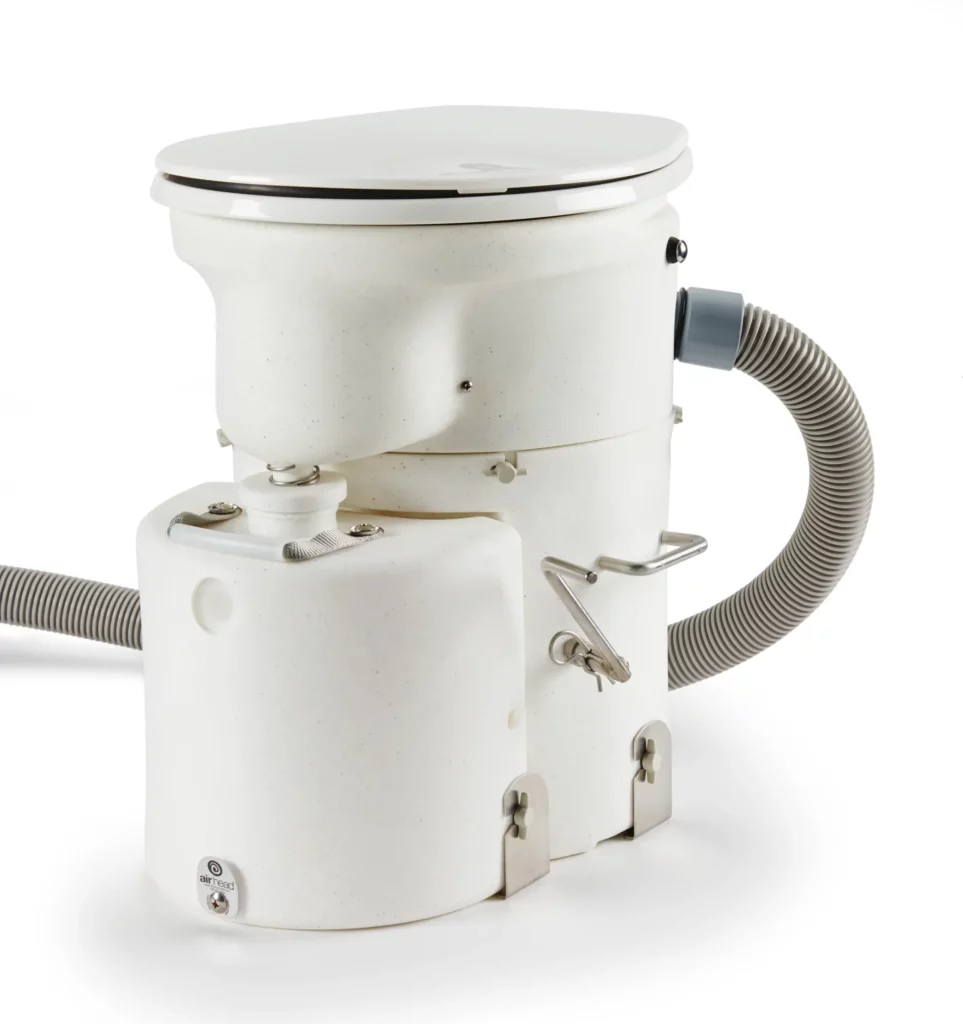
A boat composting toilet is a self-contained system that separates liquid and solid waste. Liquids are diverted into a removable container, while solids are collected in a separate chamber with a composting medium such as coconut coir.
Because liquids and solids are kept apart, odour is significantly reduced. Ventilation helps maintain airflow, preventing anaerobic conditions that cause smells in traditional marine systems.
Unlike flush toilets, composting toilets do not rely on water or complex plumbing. That simplicity is one of their biggest advantages on a boat, where space, access, and reliability matter.
Composting Toilet for Boat vs Traditional Marine Toilets
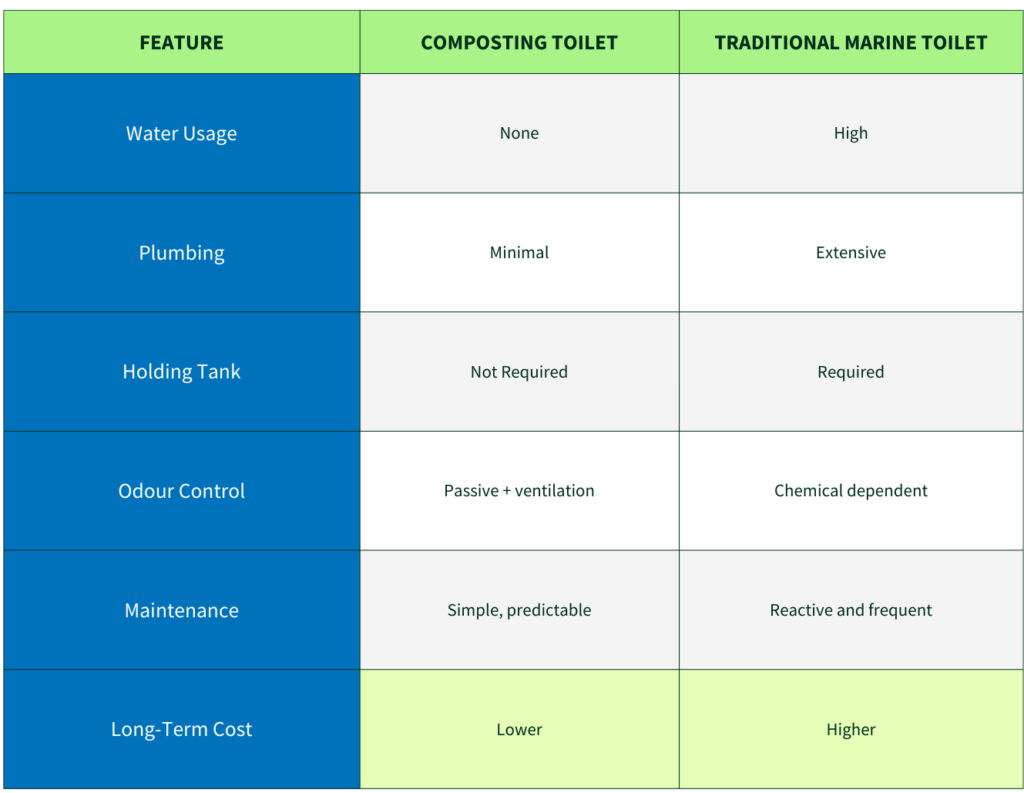
When comparing a composting toilet for a boat with a traditional marine head, the differences are substantial.
The key difference is control. With a composting toilet, the system is visible, accessible, and straightforward. With a marine toilet, issues often occur inside hoses, tanks, or fittings you cannot easily inspect.
Why Marine Composting Toilets Are Designed Differently
Not all composting toilets are suitable for boats. A proper marine composting toilet must be designed for movement, vibration, and a damp, salty environment.
Marine-specific considerations include:
Secure mounting for use underway
Durable materials resistant to corrosion
Compact footprints for confined heads
Reliable ventilation in enclosed cabins
These design requirements are what separate purpose-built marine systems from household composting toilets adapted for boats.
Best Composting Toilet for Boats – What to Look For
When evaluating the best composting toilet for boats, the details matter. Small design differences have a big impact on day-to-day use.
Effective separation is critical for odour control and ease of maintenance. Poor separation is the root cause of most complaints about composting toilets.
Ventilation
A dedicated vent fan ensures airflow and keeps the system aerobic. This is not optional on a boat.
Ease of Emptying
Emptying should be straightforward, clean, and predictable. If it feels complicated, it will quickly become frustrating.
Power Requirements
Most marine composting toilets run on low-draw 12V systems. Some can operate without power, but ventilation is always strongly recommended.
Installing a Composting Toilet on a Boat
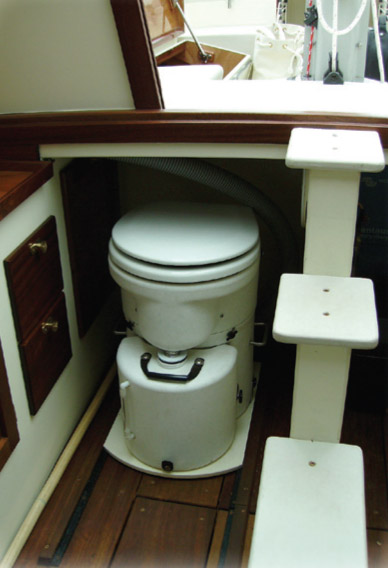
Installing a composting toilet on a boat is usually far simpler than installing or replacing a marine toilet system.
Key considerations include:
Planning vent routing to the exterior
Ensuring access for emptying containers
Securing the unit properly for movement
Providing a small 12V power supply for ventilation
Most installations can be completed without major structural changes or complex plumbing, which is a significant advantage for refits.
Boat Composting Toilets – Reviews and Real-World Use
When reading boat composting toilets reviews, a few consistent themes appear.
The most common negative feedback usually comes from incorrect installation or misunderstanding how the system works. When used as designed, composting toilets are remarkably consistent and reliable.
Is a Composting Toilet Right for Your Boat?
A composting toilet is not the right solution for every boat, but it suits many more boats than people initially expect.
They work particularly well for:
Sailboats and catamarans
Liveaboards and long-term cruisers
Boats without easy pump-out access
Owners prioritising simplicity and independence
If your goal is to reduce maintenance, complexity, and reliance on shore infrastructure, a composting toilet is often the logical choice.
Why Many Boat Owners Choose Air Head Composting Toilets
Air Head Composting Toilets have become a reference point in the marine composting toilet space for a reason.
Their systems are designed specifically for boats, with a strong focus on:
Reliable waste separation
Simple, proven ventilation
Durable construction
Practical real-world usability
Models such as the Air Head Classic and Air Head Tejo are widely used on sailboats, catamarans, and powerboats around the world, particularly by owners who value systems that work quietly and consistently in the background.
Final Thoughts on Choosing the Right Boat Composting Toilet
A boat composting toilet is not about novelty or trends. It is about reducing complexity, improving reliability, and taking control of a system that has historically been one of the weakest points on many boats.
For owners researching a composting toilet for a boat, the decision often comes down to confidence. Confidence that it will not smell. Confidence that it will work offshore. Confidence that maintenance will be manageable.
With the right system, composting toilets deliver on those expectations, which is why they continue to gain traction across recreational boating and marina installations alike.
Ready to explore your options?
Explore marine composting toilets designed specifically for life on the water, compact, reliable, and built for real-world boat use.
Boat Composting Toilet – A Complete Guide for Boat Owners
Choosing the right boat composting toilet is no longer a fringe decision. For many boat owners, liveaboards, and even marinas, it has become the most practical way to deal with onboard sanitation without the complexity, smells, and ongoing maintenance of traditional marine systems.
This guide explains how a composting toilet for a boat works, how it compares to conventional marine toilets, and what really matters when choosing the best composting toilet for boats. If you are actively weighing up your options, this article is designed to help you make a confident, informed decision
Why More Boat Owners Are Switching to Composting Toilets
Traditional marine toilets have barely changed in decades. They rely on water, hoses, seacocks, pumps, holding tanks, and pump-out infrastructure. When everything works perfectly, they are tolerable. When something goes wrong, it usually goes very wrong.
A marine composting toilet removes much of that complexity. No flushing water. No holding tank. No macerators. No waiting for pump-out availability. For many owners, the appeal is simple: fewer systems to maintain and fewer opportunities for unpleasant surprises.
Composting toilets are particularly attractive for:
Liveaboards
Cruising sailboats and catamarans
Boats used away from marinas
Owners who want simplicity and reliability
What Is a Boat Composting Toilet?
A boat composting toilet is a self-contained system that separates liquid and solid waste. Liquids are diverted into a removable container, while solids are collected in a separate chamber with a composting medium such as coconut coir.
Because liquids and solids are kept apart, odour is significantly reduced. Ventilation helps maintain airflow, preventing anaerobic conditions that cause smells in traditional marine systems.
Unlike flush toilets, composting toilets do not rely on water or complex plumbing. That simplicity is one of their biggest advantages on a boat, where space, access, and reliability matter.
Composting Toilet for Boat vs Traditional Marine Toilets
When comparing a composting toilet for a boat with a traditional marine head, the differences are substantial.
The key difference is control. With a composting toilet, the system is visible, accessible, and straightforward. With a marine toilet, issues often occur inside hoses, tanks, or fittings you cannot easily inspect.
Why Marine Composting Toilets Are Designed Differently
Not all composting toilets are suitable for boats. A proper marine composting toilet must be designed for movement, vibration, and a damp, salty environment.
Marine-specific considerations include:
Secure mounting for use underway
Durable materials resistant to corrosion
Compact footprints for confined heads
Reliable ventilation in enclosed cabins
These design requirements are what separate purpose-built marine systems from household composting toilets adapted for boats.
Best Composting Toilet for Boats – What to Look For
When evaluating the best composting toilet for boats, the details matter. Small design differences have a big impact on day-to-day use.
Effective separation is critical for odour control and ease of maintenance. Poor separation is the root cause of most complaints about composting toilets.
Ventilation
A dedicated vent fan ensures airflow and keeps the system aerobic. This is not optional on a boat.
Ease of Emptying
Emptying should be straightforward, clean, and predictable. If it feels complicated, it will quickly become frustrating.
Power Requirements
Most marine composting toilets run on low-draw 12V systems. Some can operate without power, but ventilation is always strongly recommended.
Installing a Composting Toilet on a Boat
Installing a composting toilet on a boat is usually far simpler than installing or replacing a marine toilet system.
Key considerations include:
Planning vent routing to the exterior
Ensuring access for emptying containers
Securing the unit properly for movement
Providing a small 12V power supply for ventilation
Most installations can be completed without major structural changes or complex plumbing, which is a significant advantage for refits.
Boat Composting Toilets – Reviews and Real-World Use
When reading boat composting toilets reviews, a few consistent themes appear.
The most common negative feedback usually comes from incorrect installation or misunderstanding how the system works. When used as designed, composting toilets are remarkably consistent and reliable.
Is a Composting Toilet Right for Your Boat?
A composting toilet is not the right solution for every boat, but it suits many more boats than people initially expect.
They work particularly well for:
Sailboats and catamarans
Liveaboards and long-term cruisers
Boats without easy pump-out access
Owners prioritising simplicity and independence
If your goal is to reduce maintenance, complexity, and reliance on shore infrastructure, a composting toilet is often the logical choice.
Why Many Boat Owners Choose Air Head Composting Toilets
Air Head Composting Toilets have become a reference point in the marine composting toilet space for a reason.
Their systems are designed specifically for boats, with a strong focus on:
Reliable waste separation
Simple, proven ventilation
Durable construction
Practical real-world usability
Models such as the Air Head Classic and Air Head Tejo are widely used on sailboats, catamarans, and powerboats around the world, particularly by owners who value systems that work quietly and consistently in the background.
Final Thoughts on Choosing the Right Boat Composting Toilet
A boat composting toilet is not about novelty or trends. It is about reducing complexity, improving reliability, and taking control of a system that has historically been one of the weakest points on many boats.
For owners researching a composting toilet for a boat, the decision often comes down to confidence. Confidence that it will not smell. Confidence that it will work offshore. Confidence that maintenance will be manageable.
With the right system, composting toilets deliver on those expectations, which is why they continue to gain traction across recreational boating and marina installations alike.
Ready to explore your options?
Explore marine composting toilets designed specifically for life on the water, compact, reliable, and built for real-world boat use.