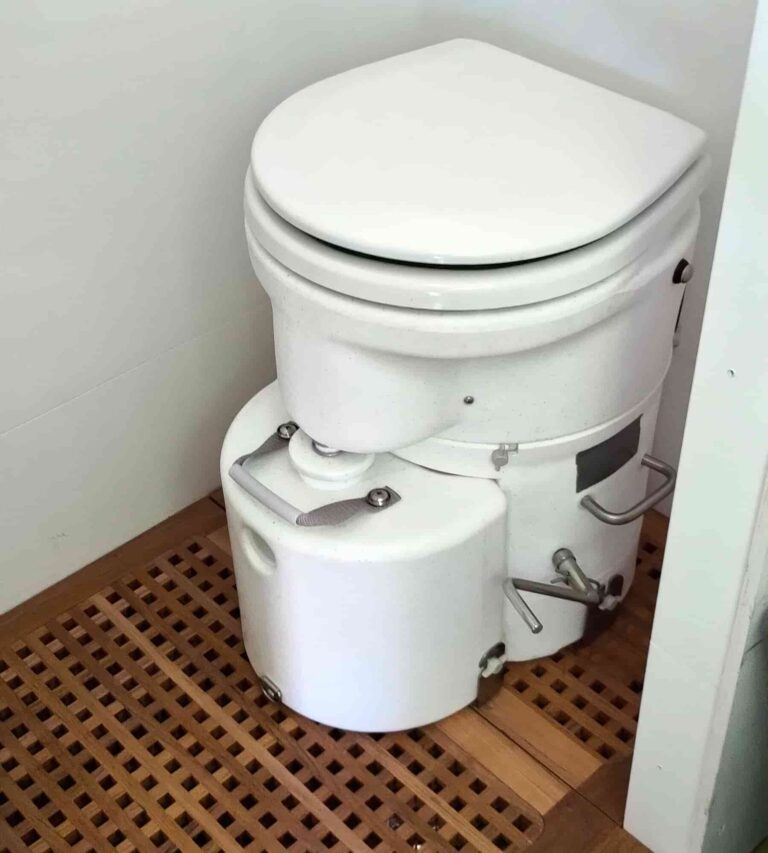
If you’re building or upgrading a van, or camper and staring down RV toilet options, the sticker shock is real. True composting toilets like the Airhead sit in a higher price range, while plenty of budget alternatives hover between $200–$500. When every dollar counts in your build, it’s tempting to grab the cheapest option that claims to be “composting.”
And honestly? If money is the absolute top priority and you’re okay with more frequent management or occasional compromises, a basic separating toilet or simple bucket system can get the job done for short trips or light use. No judgment — we’ve all been there with project budgets.
But for many full-time or extended RV travelers, the cheaper route ends up costing more in frustration, odor headaches, and extra work. Here’s a clear-eyed look at why a genuine active composting toilet — particularly an Airhead — often turns out to be the better long-term solution for RV life.
What "Budget RV Toilets" Usually Actually Are
A lot of the lower-priced options on the market aren’t true composting toilets. They fall into a few common categories:
Basic separating toilets (sometimes called urine-diverting): These split liquids and solids but lack active aeration or a powered fan. Without consistent airflow and agitation, the solids stay moist longer, which slows or stops real composting and can lead to more noticeable odors over time.
Passive “compost” buckets or boxes: You add some peat, coco coir, or even chemicals to the bottom. These absorb liquid to a degree and mask smells short-term, but they don’t actively dry or break down waste. Many users report needing to empty far more often, dealing with clumping, or fighting smells on multi-week trips.
Vacuum or cassette-style systems with “composting” claims: These are essentially modern porta-pottis or dry-flush units. They handle waste differently and often require chemicals or frequent dumping — not the waterless, odor-free freedom people expect from a real composter.
The result? What starts as a budget-friendly choice can turn into more maintenance than anticipated, especially in a confined RV space where heat, humidity, or motion can amplify any shortcomings.
Why True Active Composting Makes a Difference in an RV
An active composting toilet like the Airhead Classic or Tejo works differently. It combines excellent urine separation with a 12V fan for continuous airflow and a built-in agitator (the crank handle) that mixes in composting media and aerates the solids. This active process dries the waste faster, reduces volume more effectively, and keeps odors to a minimum — even during hot summer boondocking or longer stretches without emptying.
Real composting means the solids break down naturally into an earthy, usable material over time instead of just sitting there getting… well, less pleasant. For RVers who value freedom from dump stations and black tanks, this translates to fewer service stops and a more livable interior.
It’s not magic, and it still requires some basic management (adding media, occasional cranking, emptying the liquids bottle). But the active design makes that management noticeably lighter and more predictable compared to passive systems.
Customization that fits your build: You can choose handle placement (left or right side — a lifesaver in tight van layouts), different tank sizes, seat options (including a full residential-style seat for everyday comfort), and flexible vent hose routing. This level of adaptability helps the toilet integrate cleanly into your specific floor plan without awkward compromises.
Reliable odor control: The fan and proper separation, combined with quality seals, keep things remarkably fresh. Many long-term users report virtually no cabin smells when the system is set up right — a big upgrade from budget separators that can get whiffy in warm weather.
Durability and thoughtful design: Built with marine-grade toughness (originally popular in boats), Airheads feature stainless steel hardware and robust construction that holds up to years of vibration and movement on the road. The easy-to-remove urine bottle and straightforward access make routine tasks less of a chore.
Longer service intervals with smart capacity: Depending on your crew size and usage, you can go weeks between solids emptying (especially with an extra tank). The system rewards good habits with less frequent attention overall.
In short, you’re not just buying a toilet — you’re investing in a complete, low-stress system that supports the independent RV lifestyle many people are chasing.
When a Budget Option Might Still Be Fine
To be fair: If you’re doing mostly weekend camping, have excellent ventilation in your rig, or are extremely diligent with maintenance, a well-reviewed separating toilet or simple system can work without major issues. Some van-lifers swear by their minimalist setups and appreciate the lower upfront cost.
The key is knowing the trade-offs going in. Budget units often mean more frequent emptying, stricter moisture control, and a higher chance of odor management becoming part of your daily routine.
Making the Smart Choice for Your RV
At the end of the day, the “best” RV toilet depends on your budget, how you travel, and how much hands-off reliability you want. If you’re planning extended boondocking, full-time living, or simply want to minimize toilet-related drama on the road, a true active composting toilet like the Airhead tends to deliver better day-to-day satisfaction and fewer surprises.
Many owners who started with cheaper alternatives eventually upgrade and say they wish they’d gone with a quality system from the beginning. Others stick with basic options happily because it matches their needs and means.
Whichever path you choose, understanding the real differences helps you avoid buyer’s remorse later.
Ready to explore a composting toilet built for real RV life? Check out theAirhead Classic for compact spaces or the Airhead Tejo for added comfort and capacity. Both come with the customization and active performance that make off-grid living more enjoyable.
FAQs
Are cheap RV composting toilets actually composting?
Many aren’t true active composters. They separate waste but lack the fan and agitator needed for effective drying and breakdown, so they function more like advanced separating buckets.
How much maintenance does an Airhead composting toilet require in an RV?
Daily or weekly checks are minimal — mainly ensuring the fan runs and giving the crank a few turns. Most users empty solids every few weeks and liquids more frequently, depending on crew size.
What’s the main difference between Airhead and budget separating toilets?
Airhead actively aerates and dries the waste with a fan and agitator, leading to better odor control, faster volume reduction, and less overall management compared to passive systems.
Can I customize an Airhead toilet for my van conversion?
Yes — options include handle side, seat size, tank configurations, and vent routing, making it easier to fit into tight or custom layouts.
Is an Airhead worth the higher price for RV use?
For many full-time or long-term RVers, yes. The reduced hassle, better reliability, and customization often outweigh the initial cost difference over time.
If you’re building or upgrading a van, or camper and staring down RV toilet options, the sticker shock is real. True composting toilets like the Airhead sit in a higher price range, while plenty of budget alternatives hover between $200–$500. When every dollar counts in your build, it’s tempting to grab the cheapest option that claims to be “composting.”
And honestly? If money is the absolute top priority and you’re okay with more frequent management or occasional compromises, a basic separating toilet or simple bucket system can get the job done for short trips or light use. No judgment — we’ve all been there with project budgets.
But for many full-time or extended RV travelers, the cheaper route ends up costing more in frustration, odor headaches, and extra work. Here’s a clear-eyed look at why a genuine active composting toilet — particularly an Airhead — often turns out to be the better long-term solution for RV life.
What "Budget RV Toilets" Usually Actually Are
A lot of the lower-priced options on the market aren’t true composting toilets. They fall into a few common categories:
Basic separating toilets (sometimes called urine-diverting): These split liquids and solids but lack active aeration or a powered fan. Without consistent airflow and agitation, the solids stay moist longer, which slows or stops real composting and can lead to more noticeable odors over time.
Passive “compost” buckets or boxes: You add some peat, coco coir, or even chemicals to the bottom. These absorb liquid to a degree and mask smells short-term, but they don’t actively dry or break down waste. Many users report needing to empty far more often, dealing with clumping, or fighting smells on multi-week trips.
Vacuum or cassette-style systems with “composting” claims: These are essentially modern porta-pottis or dry-flush units. They handle waste differently and often require chemicals or frequent dumping — not the waterless, odor-free freedom people expect from a real composter.
The result? What starts as a budget-friendly choice can turn into more maintenance than anticipated, especially in a confined RV space where heat, humidity, or motion can amplify any shortcomings.
Why True Active Composting Makes a Difference in an RV
An active composting toilet like the Airhead Classic or Tejo works differently. It combines excellent urine separation with a 12V fan for continuous airflow and a built-in agitator (the crank handle) that mixes in composting media and aerates the solids. This active process dries the waste faster, reduces volume more effectively, and keeps odors to a minimum — even during hot summer boondocking or longer stretches without emptying.
Real composting means the solids break down naturally into an earthy, usable material over time instead of just sitting there getting… well, less pleasant. For RVers who value freedom from dump stations and black tanks, this translates to fewer service stops and a more livable interior.
It’s not magic, and it still requires some basic management (adding media, occasional cranking, emptying the liquids bottle). But the active design makes that management noticeably lighter and more predictable compared to passive systems.
Customization that fits your build: You can choose handle placement (left or right side — a lifesaver in tight van layouts), different tank sizes, seat options (including a full residential-style seat for everyday comfort), and flexible vent hose routing. This level of adaptability helps the toilet integrate cleanly into your specific floor plan without awkward compromises.
Reliable odor control: The fan and proper separation, combined with quality seals, keep things remarkably fresh. Many long-term users report virtually no cabin smells when the system is set up right — a big upgrade from budget separators that can get whiffy in warm weather.
Durability and thoughtful design: Built with marine-grade toughness (originally popular in boats), Airheads feature stainless steel hardware and robust construction that holds up to years of vibration and movement on the road. The easy-to-remove urine bottle and straightforward access make routine tasks less of a chore.
Longer service intervals with smart capacity: Depending on your crew size and usage, you can go weeks between solids emptying (especially with an extra tank). The system rewards good habits with less frequent attention overall.
In short, you’re not just buying a toilet — you’re investing in a complete, low-stress system that supports the independent RV lifestyle many people are chasing.
When a Budget Option Might Still Be Fine
To be fair: If you’re doing mostly weekend camping, have excellent ventilation in your rig, or are extremely diligent with maintenance, a well-reviewed separating toilet or simple system can work without major issues. Some van-lifers swear by their minimalist setups and appreciate the lower upfront cost.
The key is knowing the trade-offs going in. Budget units often mean more frequent emptying, stricter moisture control, and a higher chance of odor management becoming part of your daily routine.
Making the Smart Choice for Your RV
At the end of the day, the “best” RV toilet depends on your budget, how you travel, and how much hands-off reliability you want. If you’re planning extended boondocking, full-time living, or simply want to minimize toilet-related drama on the road, a true active composting toilet like the Airhead tends to deliver better day-to-day satisfaction and fewer surprises.
Many owners who started with cheaper alternatives eventually upgrade and say they wish they’d gone with a quality system from the beginning. Others stick with basic options happily because it matches their needs and means.
Whichever path you choose, understanding the real differences helps you avoid buyer’s remorse later.
Ready to explore a composting toilet built for real RV life? Check out theAirhead Classic for compact spaces or the Airhead Tejo for added comfort and capacity. Both come with the customization and active performance that make off-grid living more enjoyable.
FAQs
Are cheap RV composting toilets actually composting?
Many aren’t true active composters. They separate waste but lack the fan and agitator needed for effective drying and breakdown, so they function more like advanced separating buckets.
How much maintenance does an Airhead composting toilet require in an RV?
Daily or weekly checks are minimal — mainly ensuring the fan runs and giving the crank a few turns. Most users empty solids every few weeks and liquids more frequently, depending on crew size.
What’s the main difference between Airhead and budget separating toilets?
Airhead actively aerates and dries the waste with a fan and agitator, leading to better odor control, faster volume reduction, and less overall management compared to passive systems.
Can I customize an Airhead toilet for my van conversion?
Yes — options include handle side, seat size, tank configurations, and vent routing, making it easier to fit into tight or custom layouts.
Is an Airhead worth the higher price for RV use?
For many full-time or long-term RVers, yes. The reduced hassle, better reliability, and customization often outweigh the initial cost difference over time.