Perfect for Boats, RV's
& Off-Grid Living

Coco Peat Bricks - Composting toilet mediums

Coco Coir vs Peat Moss vs Other Composting Toilet Mediums: What’s Best for Marine Use?

Choosing the right composting toilet medium is one of the most important factors in how well a composting toilet performs on a boat. The medium directly affects moisture control, airflow, and odour management, especially in enclosed marine environments where problems tend to show up quickly.

Boat owners often ask whether coco coir, peat moss, or other materials work best in a marine composting toilet. This guide explains how each option performs in real-world use, why Air Head recommends specific materials, and how to choose the best composting toilet medium for reliable, low-maintenance operation at sea.

Coco Peat Bricks - Composting toilet mediums

Why the Right Composting Medium Matters on Boats

On land, composting toilets have room to breathe. On boats, everything is more constrained.

Marine environments introduce challenges such as:

  • Higher humidity and condensation
  • Limited airflow
  • Movement and vibration
  • Restricted storage space

The composting medium plays a critical role in keeping the system aerobic. When airflow is restricted or moisture builds up, odours follow. The right medium prevents those conditions from developing in the first place.


What Is a Composting Toilet Medium?

A composting toilet medium is the carbon-rich material placed in the solid waste chamber of a composting toilet. Its purpose is to:

  • Absorb excess moisture
  • Maintain structure and airflow
  • Support aerobic decomposition
  • Minimise odours

In a properly designed system, the medium does most of the work quietly and reliably, with very little user intervention.

Key Factors for Marine Environments

Before comparing materials, it helps to understand what matters most on boats.

Storage and Handling

Marine composting toilet mediums should store compactly, remain stable over time, and be easy to prepare onboard.

Moisture Balance and Odour Control

Too much moisture leads to anaerobic conditions. Too little slows decomposition. A good medium maintains balance without constant adjustment.

Consistency Under Motion

Boats move. A suitable composting toilet substrate must resist compaction and continue allowing airflow even when the vessel is underway.

coco peat bricks and paper carrier

Coco Coir (Coco Peat) Explained

Coco coir, also known as coco peat, is made from the fibrous husk of coconuts. Air Head supplies this material in compressed brick form, designed specifically for composting toilet use.

How Coco Coir Works in Composting Toilets

When hydrated, coco coir expands into a light, fibrous material that holds moisture while maintaining airflow. This balance is especially important in marine composting toilets, where ventilation and space are limited.

Air Head officially recommends coco peat bricks for use in their systems, including marine installations.

Pros of Coco Coir

  • Excellent moisture absorption without becoming dense
  • Maintains airflow and structure over time
  • Very compact for onboard storage
  • Renewable and environmentally responsible

Cons of Coco Coir

  • Requires hydration before use
  • Slightly higher upfront cost than loose alternatives

For most boats, coco coir delivers the most consistent and predictable performance.

You can see the recommended product here:
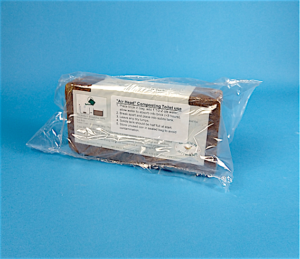
Coco Peat Brick (6 pack)

Air Head Six Peat Brick

Peat Moss Explained

Peat moss has historically been used in composting toilets and is sometimes considered as an alternative.

How Peat Moss Performs

Peat moss absorbs moisture well initially, but it tends to compact as it breaks down. In marine composting toilets, this compaction can reduce airflow and increase the likelihood of odour if not carefully managed.

Pros of Peat Moss

  • Readily available in many regions
  • Good initial moisture retention

Cons of Peat Moss

  • Compacts more easily than coco coir
  • Heavier and bulkier to store
  • Environmental concerns around peat harvesting

Air Head notes that peat moss can be used, but it is not their primary recommendation, particularly for consistent marine use.

Other Composting Toilet Medium Options

Some users experiment with alternative composting toilet substrates, especially in remote locations.

Sawdust or Wood Shavings

These materials vary widely in particle size and moisture behaviour. Fine sawdust can compact quickly, reducing airflow.

Paper-Based or Pet Bedding Products

Some paper or hemp-based bedding materials can work temporarily, but results are inconsistent and depend heavily on product quality.

When Alternatives May Be Acceptable

Alternatives may be used in short-term situations, but Air Head does not guarantee performance when using non-recommended materials.+

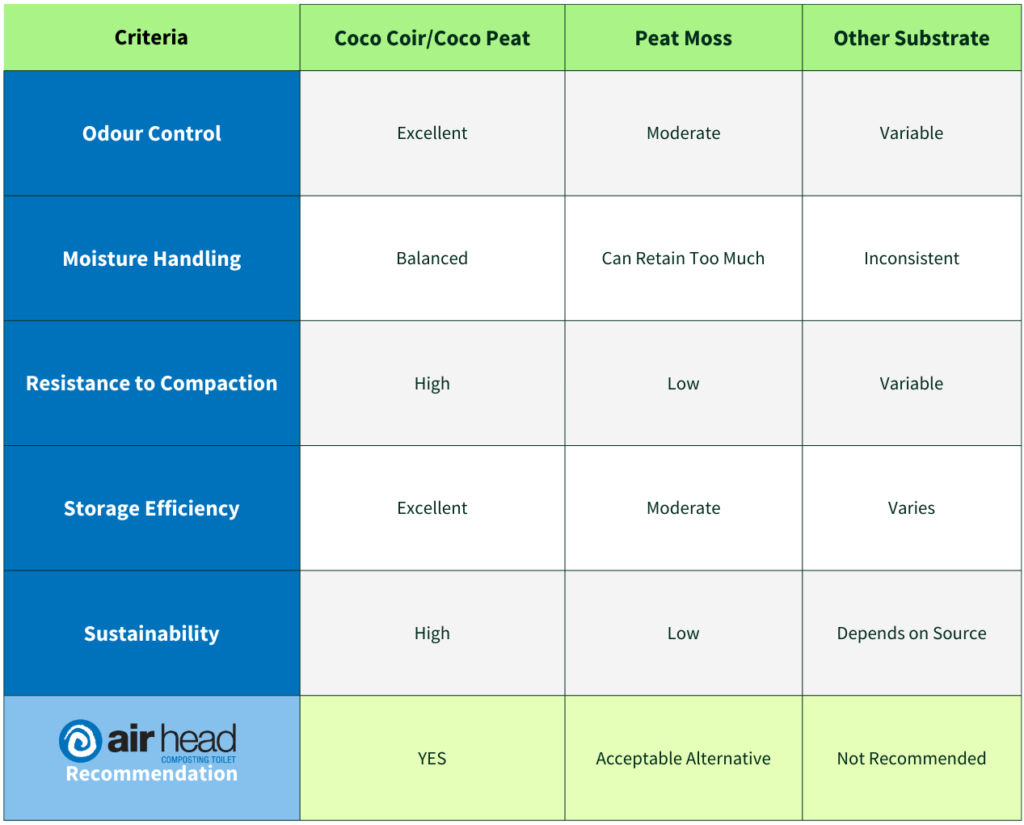
Direct Comparison: Coco Coir vs Peat Moss vs Other Mediums

Why Coco Coir Is the Recommended Choice for Air Head Toilets

Air Head composting toilets are designed around predictable airflow, separation, and moisture control. Coco coir aligns best with those design principles.

Coco peat bricks expand evenly, maintain structure, and allow consistent airflow through the solid chamber. This helps keep the system aerobic, which is the key to odour-free operation.

For this reason, Air Head specifically recommends coco peat bricks as their preferred composting medium.

How Air Head Products Are Designed Around This Medium

Air Head Composting Toilets design their systems to work optimally with coco coir.Using the recommended medium supports:
  • Proper solid and liquid separation
  • Predictable composting behaviour
  • Minimal odour when used correctly

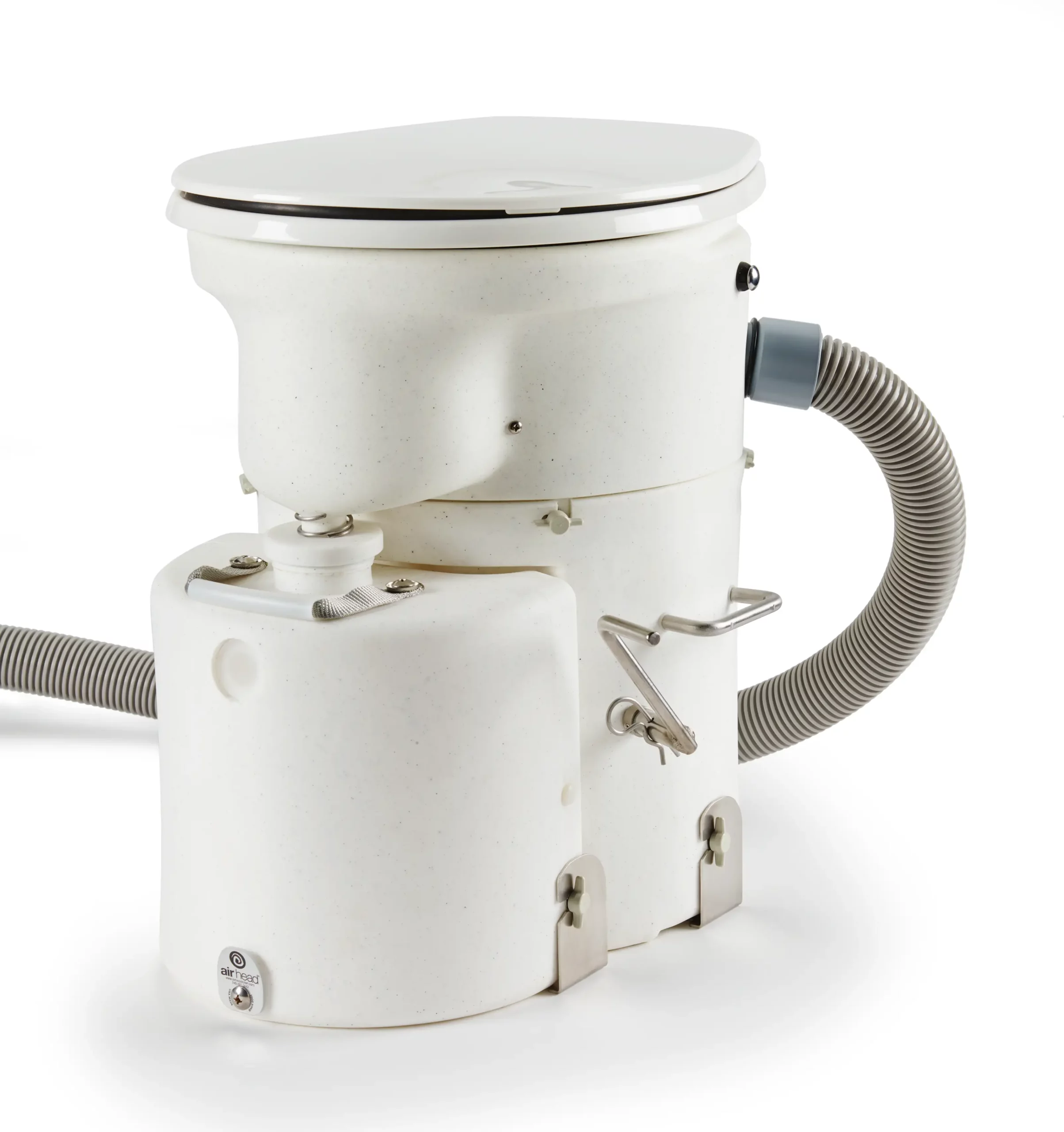
For full system details, see the complete unit here:
Air Head Composting Toilet – Complete Unit
Additional compatible accessories can be found in the composting accessories section of the site.
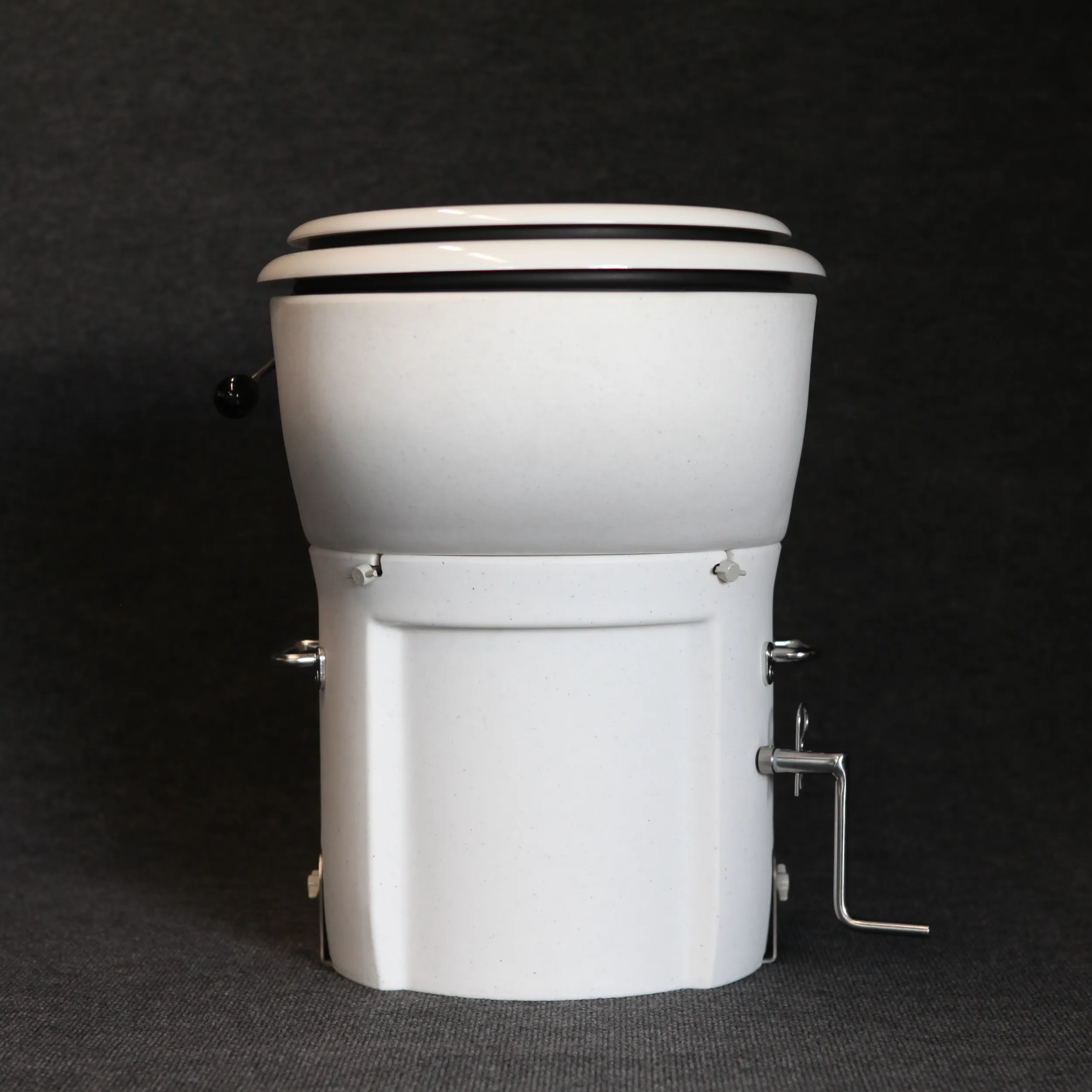
air head composting toilet closed lid side view on a white background

Frequently Asked Questions

Which composting toilet medium lasts the longest?

Coco coir typically maintains structure longer than peat moss, especially in humid marine environments.

Can I mix composting toilet mediums?

Mixing materials can lead to uneven moisture and airflow. Air Head recommends using a consistent medium for best results.

Is coco coir safe for marine composting toilets?

Yes. Coco coir is the recommended medium for Air Head composting toilets and is widely used in marine applications.


Air Head Toilet Recommendations

For most boat owners, the choice of composting toilet medium directly affects how simple and reliable the system feels day to day.

Based on Air Head’s guidance and real-world marine use:

  • Coco coir (coco peat bricks) is the recommended option
  • Peat moss is an acceptable alternative but requires closer management
  • Other substrates should be used cautiously and are not guaranteed

When paired with an Air Head composting toilet and the recommended medium, most users experience stable, low-odour performance with minimal ongoing maintenance.


Ready to optimise your setup?

Explore Air Head composting toilet mediums and accessories designed specifically for marine environments and long-term onboard use.

Coco Peat Bricks - Composting toilet mediums

Coco Coir vs Peat Moss vs Other Composting Toilet Mediums: What’s Best for Marine Use?

Choosing the right composting toilet medium is one of the most important factors in how well a composting toilet performs on a boat. The medium directly affects moisture control, airflow, and odour management, especially in enclosed marine environments where problems tend to show up quickly.

Boat owners often ask whether coco coir, peat moss, or other materials work best in a marine composting toilet. This guide explains how each option performs in real-world use, why Air Head recommends specific materials, and how to choose the best composting toilet medium for reliable, low-maintenance operation at sea.

Coco Peat Bricks - Composting toilet mediums

Why the Right Composting Medium Matters on Boats

On land, composting toilets have room to breathe. On boats, everything is more constrained.

Marine environments introduce challenges such as:

  • Higher humidity and condensation
  • Limited airflow
  • Movement and vibration
  • Restricted storage space

The composting medium plays a critical role in keeping the system aerobic. When airflow is restricted or moisture builds up, odours follow. The right medium prevents those conditions from developing in the first place.


What Is a Composting Toilet Medium?

A composting toilet medium is the carbon-rich material placed in the solid waste chamber of a composting toilet. Its purpose is to:

  • Absorb excess moisture
  • Maintain structure and airflow
  • Support aerobic decomposition
  • Minimise odours

In a properly designed system, the medium does most of the work quietly and reliably, with very little user intervention.

Key Factors for Marine Environments

Before comparing materials, it helps to understand what matters most on boats.

Storage and Handling

Marine composting toilet mediums should store compactly, remain stable over time, and be easy to prepare onboard.

Moisture Balance and Odour Control

Too much moisture leads to anaerobic conditions. Too little slows decomposition. A good medium maintains balance without constant adjustment.

Consistency Under Motion

Boats move. A suitable composting toilet substrate must resist compaction and continue allowing airflow even when the vessel is underway.

coco peat bricks and paper carrier

Coco Coir (Coco Peat) Explained

Coco coir, also known as coco peat, is made from the fibrous husk of coconuts. Air Head supplies this material in compressed brick form, designed specifically for composting toilet use.

How Coco Coir Works in Composting Toilets

When hydrated, coco coir expands into a light, fibrous material that holds moisture while maintaining airflow. This balance is especially important in marine composting toilets, where ventilation and space are limited.

Air Head officially recommends coco peat bricks for use in their systems, including marine installations.

Pros of Coco Coir

  • Excellent moisture absorption without becoming dense
  • Maintains airflow and structure over time
  • Very compact for onboard storage
  • Renewable and environmentally responsible

Cons of Coco Coir

  • Requires hydration before use
  • Slightly higher upfront cost than loose alternatives

For most boats, coco coir delivers the most consistent and predictable performance.

You can see the recommended product here:
Coco Peat Brick (6 pack)

Air Head Six Peat Brick

Peat Moss Explained

Peat moss has historically been used in composting toilets and is sometimes considered as an alternative.

How Peat Moss Performs

Peat moss absorbs moisture well initially, but it tends to compact as it breaks down. In marine composting toilets, this compaction can reduce airflow and increase the likelihood of odour if not carefully managed.

Pros of Peat Moss

  • Readily available in many regions
  • Good initial moisture retention

Cons of Peat Moss

  • Compacts more easily than coco coir
  • Heavier and bulkier to store
  • Environmental concerns around peat harvesting

Air Head notes that peat moss can be used, but it is not their primary recommendation, particularly for consistent marine use.

Other Composting Toilet Medium Options

Some users experiment with alternative composting toilet substrates, especially in remote locations.

Sawdust or Wood Shavings

These materials vary widely in particle size and moisture behaviour. Fine sawdust can compact quickly, reducing airflow.

Paper-Based or Pet Bedding Products

Some paper or hemp-based bedding materials can work temporarily, but results are inconsistent and depend heavily on product quality.

When Alternatives May Be Acceptable

Alternatives may be used in short-term situations, but Air Head does not guarantee performance when using non-recommended materials.+

Direct Comparison: Coco Coir vs Peat Moss vs Other Mediums

Why Coco Coir Is the Recommended Choice for Air Head Toilets

Air Head composting toilets are designed around predictable airflow, separation, and moisture control. Coco coir aligns best with those design principles.

Coco peat bricks expand evenly, maintain structure, and allow consistent airflow through the solid chamber. This helps keep the system aerobic, which is the key to odour-free operation.

For this reason, Air Head specifically recommends coco peat bricks as their preferred composting medium.

How Air Head Products Are Designed Around This Medium

Air Head Composting Toilets design their systems to work optimally with coco coir.Using the recommended medium supports:
  • Proper solid and liquid separation
  • Predictable composting behaviour
  • Minimal odour when used correctly

For full system details, see the complete unit here:
Air Head Composting Toilet – Complete Unit
Additional compatible accessories can be found in the composting accessories section of the site.
air head composting toilet closed lid side view on a white background

Frequently Asked Questions

Which composting toilet medium lasts the longest?

Coco coir typically maintains structure longer than peat moss, especially in humid marine environments.

Can I mix composting toilet mediums?

Mixing materials can lead to uneven moisture and airflow. Air Head recommends using a consistent medium for best results.

Is coco coir safe for marine composting toilets?

Yes. Coco coir is the recommended medium for Air Head composting toilets and is widely used in marine applications.


Air Head Toilet Recommendations

For most boat owners, the choice of composting toilet medium directly affects how simple and reliable the system feels day to day.

Based on Air Head’s guidance and real-world marine use:

  • Coco coir (coco peat bricks) is the recommended option
  • Peat moss is an acceptable alternative but requires closer management
  • Other substrates should be used cautiously and are not guaranteed

When paired with an Air Head composting toilet and the recommended medium, most users experience stable, low-odour performance with minimal ongoing maintenance.


Ready to optimise your setup?

Explore Air Head composting toilet mediums and accessories designed specifically for marine environments and long-term onboard use.