Proper ventilation is the backbone of any composting toilet system, and when it comes to your RV or camper, it is essential to install the vent correctly is critical for optimal performance. A well-placed vent not only ensures efficient airflow but also eliminates odors and maintains a fresh interior environment. If you’re considering installing the vent for your Air Head Composting Toilet in your RV or camper, this guide will walk you through the most common installation options, their pros and cons, and tips for getting it right.
Why Venting Is Important
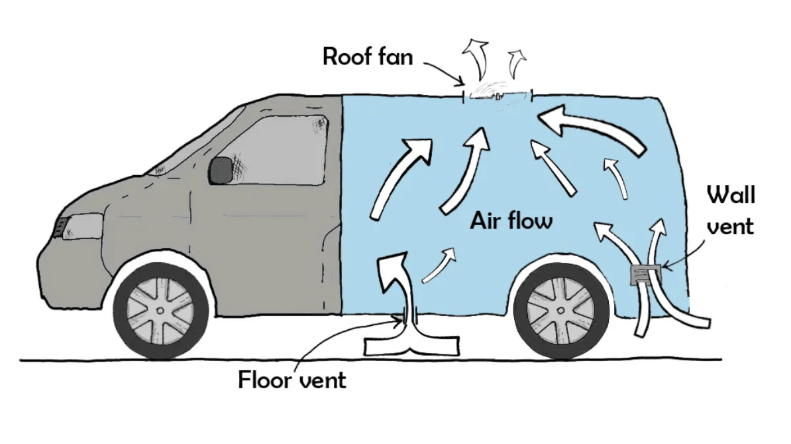
The venting system in a composting toilet allows for the continuous movement of air, which is fundamental for the composting process, odor control, and moisture evaporation. In an RV or camper, where space is tight and air circulation can be a challenge, a proper venting setup is non-negotiable.
Three Vent Location Options for Your RV or Camper
Let’s break down the three most common vent location options for your Air Head Composting Toilet, ranked by ease and efficiency:
1. Out the Side of the Rig
Why It’s the Best Option
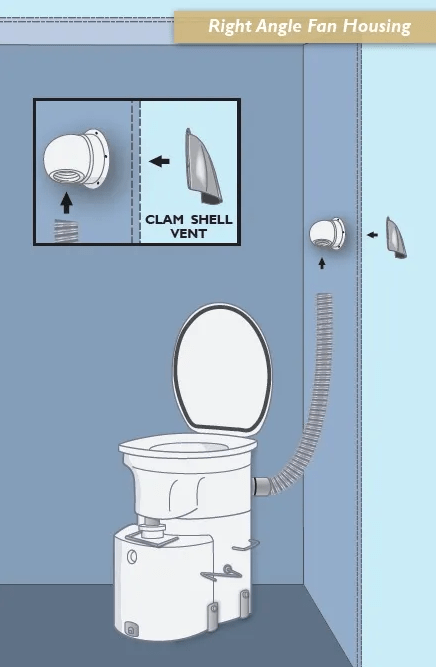
Venting out the side of your RV or camper is typically the shortest and most straightforward route. Shorter vent lines reduce the risk of airflow blockages and minimize the loss of efficiency in odor removal. This option is ideal for most setups, especially if you want a hassle-free installation.
How to Install
Drill a hole through the side wall: Ensure the hole is just large enough for the vent pipe to pass through. Use a hole saw for clean, precise cuts.
Seal the pipe: Use silicone caulk or a similar sealant to prevent water leaks.
Attach the vent cover: Install an exterior vent cover to protect the opening from debris, water, and pests.
Pros:
Short, efficient venting route.
Easier to install and maintain.
Less risk of airflow inefficiency.
Cons:
May require careful planning to avoid drilling through critical structures or wiring.
Exterior aesthetics can be affected by the vent cover.
2. Out the Roof
Why It’s a Common Choice
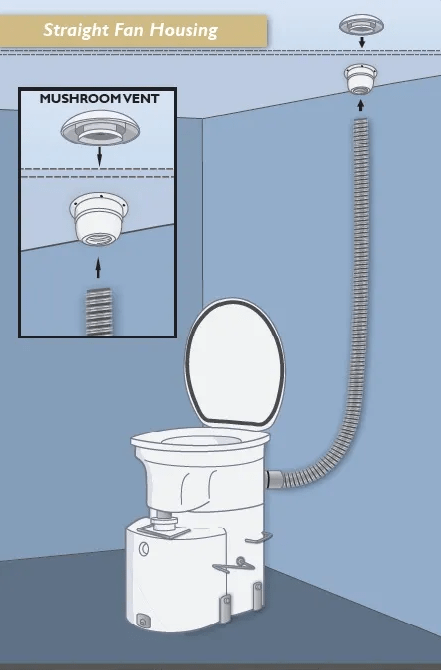
Venting through the roof is often seen as a standard solution for RV plumbing and venting systems. This option allows the vent to exit at the highest point, aiding natural airflow. However, it’s also the most labor-intensive option.
How to Install Vent
Measure and mark the exit point: Ensure the hole aligns with the vent pipe from below.
Drill and reinforce: Use a hole saw to drill through the roof. Install a roof flange to reinforce the area and ensure a secure fit.
Waterproofing is key: Apply flashing and a weatherproof sealant around the vent pipe to prevent leaks.
Install a vent cap: A roof vent cap is essential to protect against rain, debris, and pests.
Pros:
Utilizes vertical airflow for effective odor management.
Keeps the vent discreet and out of sight.
Cons:
More complex installation process.
Risk of water leaks if not properly sealed.
Accessing the roof for maintenance can be harder.
3. Out the Floor
Why It’s a Last Resort
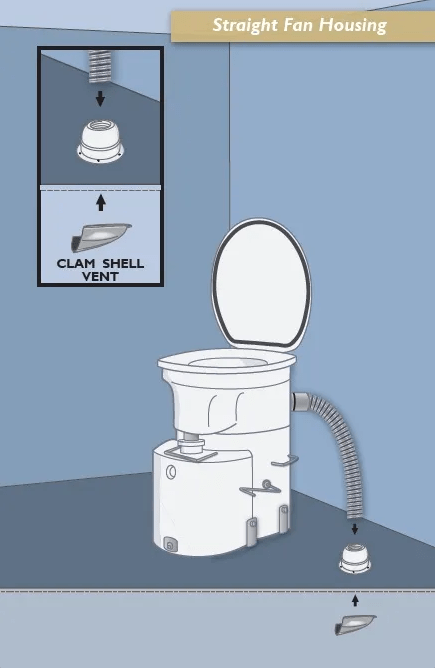
Venting out the floor can be a tempting option when side or roof venting isn’t feasible. However, this method poses unique challenges, such as the risk of airflow backdrafts, where odors may re-enter the RV due to wind patterns or uneven pressure while driving.
How to Install the Vent
Locate a safe spot: Ensure the chosen floor spot avoids structural beams, mechanical parts, or wiring.
Drill and fit the vent pipe: Carefully cut through the floor and fit the vent pipe securely.
Use a backdraft damper: Install a one-way valve or damper to prevent air from flowing back into the rig.
Seal thoroughly: Waterproofing is essential to avoid water entry and damage.
Pros:
May be the only option in certain layouts.
Keeps the vent system hidden from view.
Cons:
Risk of backdrafts and odor issues.
Vulnerable to damage from road debris or water.
Complex to get right without professional assistance.
Depending on location, it can be very difficult to get to for servicing.
Tips for a Successful Vent Installation
Plan Ahead: Map out the vent’s path before drilling to avoid surprises like hidden wiring or structural components.
Use the Right Tools: A hole saw, sealant, and proper pipe fittings are must-haves for a clean installation.
Prioritize Waterproofing: Regardless of the vent’s location, ensuring a watertight seal is critical to prevent leaks and damage.
Test for Airflow: Before finalizing the installation, test the vent to confirm efficient airflow and odor removal.
Consult the Manual: Refer to your Air Head Composting Toilet’s installation guide for specific instructions and compatibility tips.
Maintaining Your Vent System
Regular maintenance keeps your vent working efficiently. Clean the vent cap or cover periodically to remove debris, and inspect seals to ensure they remain watertight. For floor vents, check for road debris that could block airflow or damage the pipe.
Install the Vent in Your RV
Installing the vent for your Air Head Composting Toilet in an RV or camper doesn’t have to be a daunting task. By choosing the right location and following the steps outlined above, you can ensure a successful installation that keeps your space odor-free and functional. Whether you opt for the side, roof, or floor, proper planning and attention to detail will go a long way in creating a reliable ventilation system for your composting toilet.
By following these tips and choosing the method that works best for your setup, you’ll be well on your way to enjoying the full benefits of your Air Head Composting Toilet in your RV or camper.